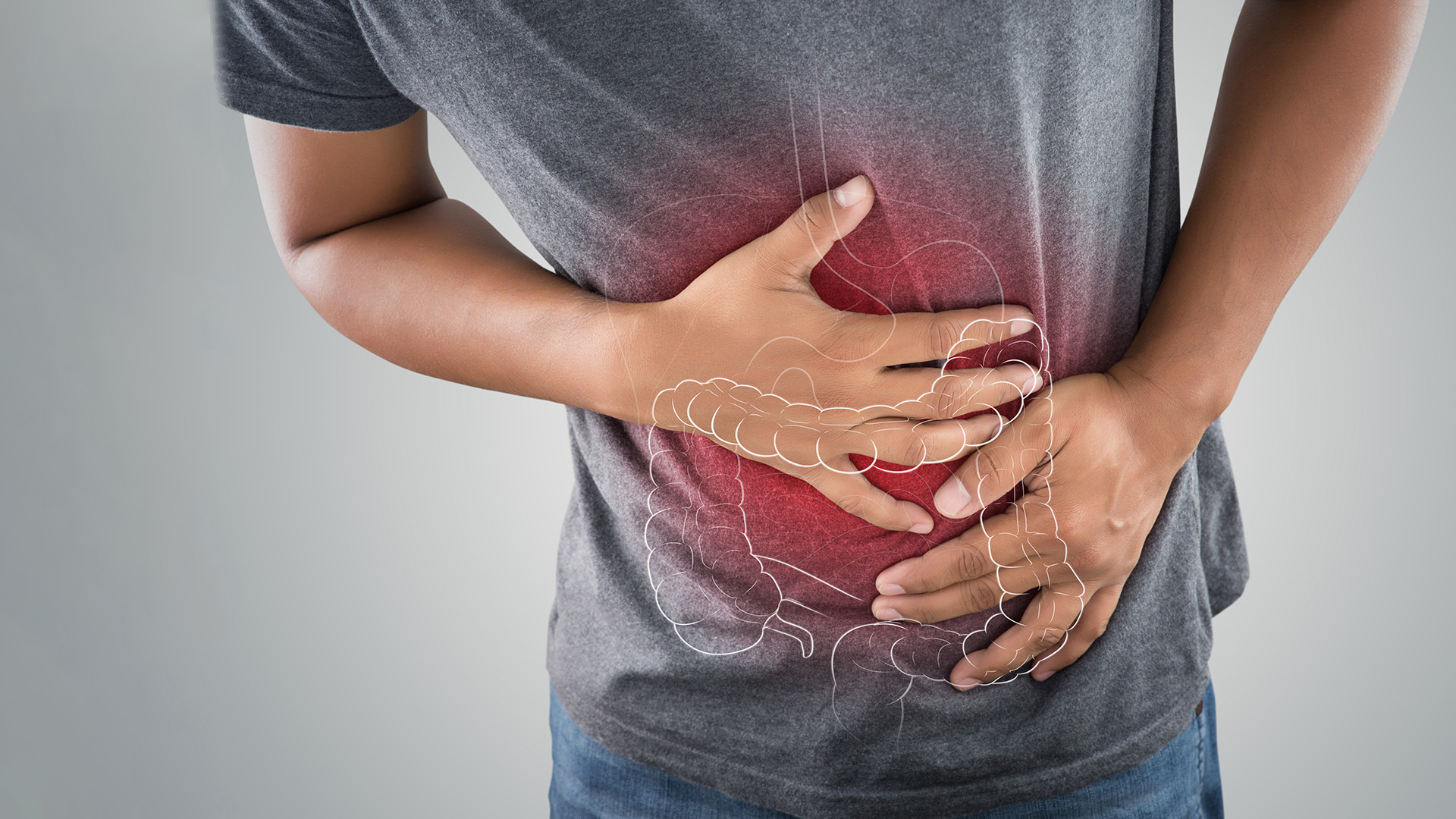
According to Bowel Cancer Australia, 15,610 Australians are diagnosed with bowel cancer each year, with 5,354 Australians every year passing away from the condition. Additionally, it is also the deadliest form of cancer for Australians aged between 25 and 49.
June is Bowel Cancer Awareness Month, and so we are going to explore the vital role played by medical imaging and radiology clinics in identifying and treating bowel cancer, while enhancing patient care and survival rates.
How can diagnostic imaging help to treat bowel cancer?
Timely detection and accurate diagnosis are crucial for successful treatment outcomes, and medical imaging clinics can play a pivotal role in the screening and early detection of bowel cancer. Medical imaging plays a vital role in treatment planning and monitoring the response to therapy. Precise imaging techniques like CT and MRI scans help determine the stage of bowel cancer, aiding in the selection of appropriate treatment strategies.
Radiologists collaborate with oncologists and surgeons to evaluate treatment effectiveness, assess tumour shrinkage, and identify potential complications. This information guides adjustments in treatment protocols, ensuring the best possible outcome for the patient.
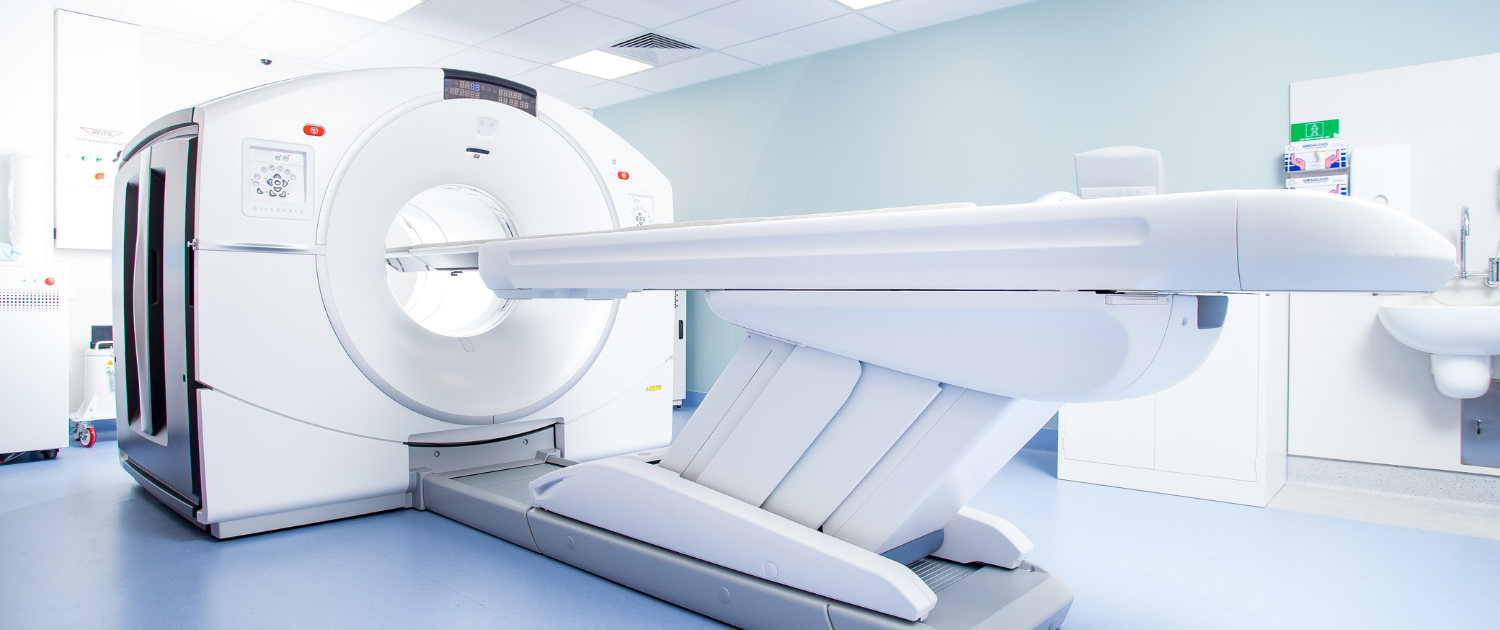
At South Coast Radiology, our medical imaging clinics led by specialist radiologists employ various imaging modalities to detect and identify potential abnormalities, including MRI and CT scans. These scans allow medical professionals to visualise the colon and rectum area in a non-invasive way and identify polyps or tumours. Early detection significantly improves the chances of successful treatment and long-term survival.
What Medical Imaging Techniques are used to treat bowel cancer?
Medical imaging techniques, such as CT scans, magnetic resonance imaging (MRI), and ultrasound, provide valuable diagnostic information for staging and assessing the extent of bowel cancer. CT scans are particularly useful for identifying lymph node involvement, liver metastasis, and evaluating the spread of cancer beyond the bowel. MRI scans offer detailed images of the rectum, aiding in treatment planning and assessing the response to therapy. Ultrasound can help identify tumour masses and evaluate nearby structures.
To discover more about the diagnostic imaging techniques used by South Coast Radiology in treating bowel cancer, click below:




Treatment planning and monitoring
Medical imaging plays a vital role in treatment planning and monitoring the response to therapy. Precise imaging techniques like CT and MRI scans help determine the stage of bowel cancer, aiding in the selection of appropriate treatment strategies. Radiologists collaborate with oncologists and surgeons to evaluate treatment effectiveness, assess tumour shrinkage, and identify potential complications. This information guides adjustments in treatment protocols, ensuring the best possible outcome for the patient.
Magnetic Resonance Imaging (MRI) for Bowel Cancer
Virtual Colonoscopy for Bowel Cancer
Interventional Radiology Procedures to Treat Bowel Cancer
Follow-Up and Surveillance
Early Detection of Bowel Cancer
Bowel Cancer Imaging at South Coast Radiology
At South Coast Radiology, we have a network of subspecialist radiologists who are able to identify and detect bowel cancer using medical imaging techniques. We accept all GP and specialist referrals at our network of 17 clinics.
With over 50 years of experience in performing diagnostic medical imaging for the Gold Coast community, South Coast Radiology has built a reputation for providing accurate and timely results to help patients and their healthcare providers make informed decisions about their health.
To book an appointment, be sure to contact our booking centre on 1300 197 297 or book an appointment with South Coast Radiology by clicking here.