
As we age, we lose bone strength. This loss of strength puts us at risk of developing osteoporosis.
A disease which often goes unnoticed, osteoporosis can occur without any symptoms. In fact, many people living with osteoporosis only become aware that there’s an issue with their bones when they break one. In their lifetime, one in three women and one in five men will suffer from an osteoporotic fracture. According to the International Osteoporosis Foundation, it is predicted that over 1.3 million Australians aged 60 or older are currently living with osteoporosis.
Each year on the 20th of October, World Osteoporosis Day is observed, and this year the theme of the day is to Step Up for Bone Health. This event is a reminder that it is important to look after your bone health so you can continue to do the things you enjoy in life and prevent the effects of osteoporosis.
What is Osteoporosis?
Osteoporosis is a disease which causes bones to become fragile and brittle, but it can be treated when bone loss is detected early. It develops when bone mineral density and bone mass decreases, or when the quality or structure of one’s bones changes. These changes can lead to a decrease in bone strength that can increase the risk of broken bones.
There are several risk factors for Osteoporosis, including one’s genetics, their age and gender, hormone levels, history of falls and bone fractures, their diet, lifestyle choices, and other health conditions.
There are several ways to take precautions against Osteoporosis from a young age. Five ways to do this are to maintain a nutritious diet, avoid negative lifestyle habits such as smoking and excessive alcohol use, exercise on a regular basis, maintain healthy levels of Vitamin D and undergo testing and treatment as needed.
How can radiology assist with bone health?
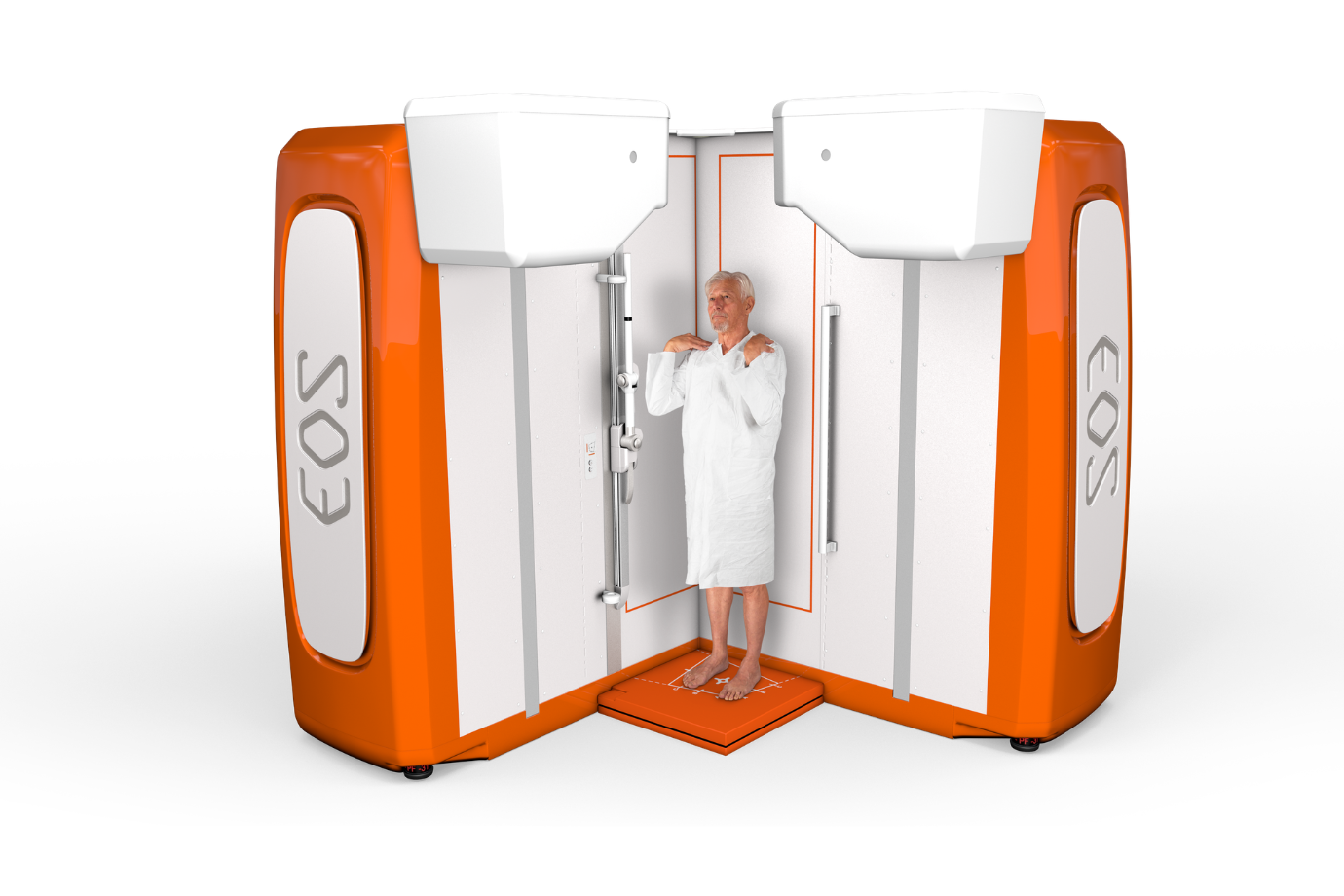
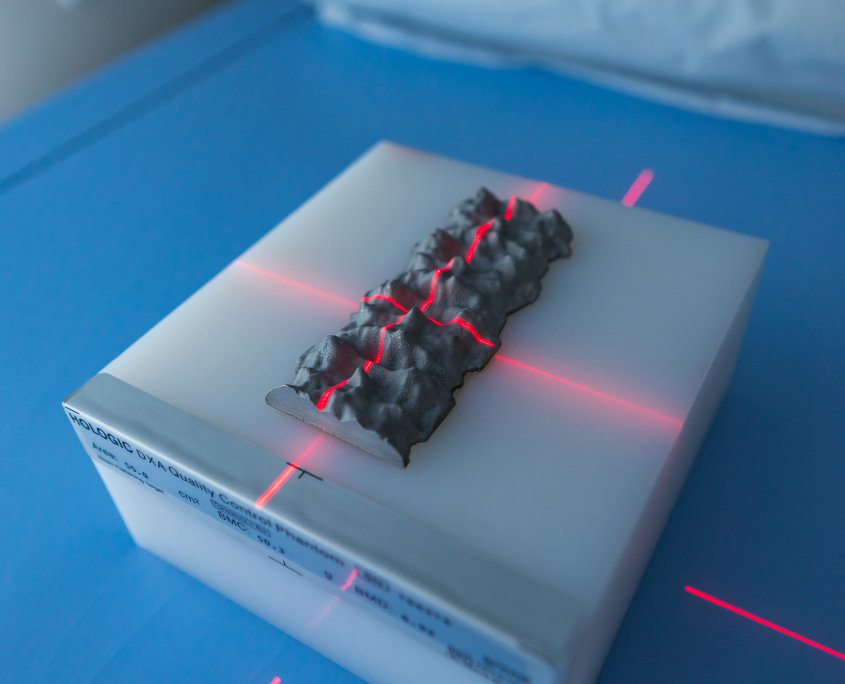
Radiology clinics can assist patients and referring doctors in determining the health of a patient’s bones using a Bone Density Scan, also known as a DEXA scan. These scans utilise special X-ray technology to measure the density of bone minerals and serves to provide information about the strength or fragility of a patient’s bones. The denser a patient’s bones are, the less likely they are to suffer from a fracture.
As most conditions affecting bone density are present in the entire body, a snapshot of a few areas such as the spine and one or both hips is normally a sufficient sample in establishing the body’s overall bone density. Using this advanced medical imaging technology, Bone Density Scans can determine your bone health and detect conditions such as Osteoporosis.
Bone Density Scans on the Gold Coast
Having a bone density scan is a quick and easy process. At South Coast Radiology, we offer Bone Density Scans at a range of clinics across the Gold Coast.
To discover more about Bone Density Scans, please click here. To book a Bone Density Scan, please call South Coast Radiology on 1300 197 297.
-
Bone Density Scans
Available across the Gold Coast.
-
Team of Professionals
Highly trained specialists in bone conditions.
-
Call 1300 197 297
Please have a referral handy!
At South Coast Radiology, our practice accepts all referrals from GPs and medical specialists.